
Global manufacturing undergoes a transformative shift, moving from traditional processing to intelligent cutting solutions. Breakthroughs in fiber laser technology now enable portable laser cutters to overcome spatial constraints and precision limitations. In 2024, mobile cutting equipment sees a 67% year-on-year sales growth, making it the fastest-growing segment in metal processing technologies worldwide.
Technical Breakthroughs in Laser Cutting
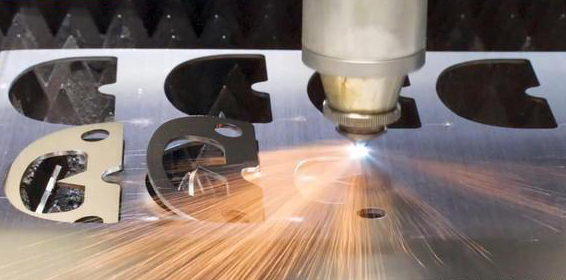
Next-generation cutting systems incorporate modular laser sources with dual-wavelength switching capabilities. These systems provide power outputs ranging from compact 40W units to industrial-grade 2000W configurations. With advanced dynamic compensation technology, the systems achieve ±0.1mm precision—three times more accurate than traditional plasma cutting methods.
AI vision systems now help reduce material waste rates to below 4%. Foldable designs keep equipment under 7.5kg, enhancing on-site operational efficiency by 200%. High-performance models cut 8mm stainless steel at speeds up to 10 meters per minute, increasing overall productivity.
For large-scale engineering projects, mobile cutting units with servo-leveling chassis perform precision operations directly on challenging surfaces like ship decks and storage tank walls. These mobile units reduce processing cycles for structural components by 80%, significantly boosting efficiency and cutting costs.
Economic Impact of Laser Cutting
Fiber laser systems, such as the 1000W models, make 0.8mm micro-slot cuts in carbon steel while maintaining heat-affected zones within 0.3mm tolerances. This improvement raises automotive component yield rates to over 99%, highlighting the effectiveness of laser technology in precision manufacturing.
Additionally, desktop-grade cutting equipment works with a variety of non-metallic materials, allowing manufacturers to exceed daily outputs of 500 customized products. Compared to traditional oxy-fuel cutting, laser technology reduces energy consumption by 60%. Industrial systems now keep daily electricity costs below $8, resulting in significant operational savings.
Laser cutting systems process 3mm carbon steel at speeds up to 14m/min, driving increased productivity. This performance, paired with optimized workflows, reduces labor by 70%, contributing to a 45% annual growth in procurement across the industrial equipment sector.
Smart Systems for Laser Cutting
The 2024 generation of cutting systems integrates IoT technologies, creating smart ecosystems. 5G-enabled remote control facilitates real-time, cross-border manufacturing collaboration, improving global operations. Augmented reality guides operators through complex contour cutting, ensuring precision and efficiency.
Cloud-based databases store over 5,000 preconfigured material parameter profiles, offering more flexibility in cutting operations. Projections suggest portable cutting equipment will dominate 90% of outdoor industrial applications in the next three years, as battery endurance exceeds 8 continuous operating hours.
For equipment selection, foldable systems priced around $2,000 are ideal for light fabrication and engraving. Industrial environments should prioritize 60W-class CO₂ configurations for better performance, while field operations require specialized mobile cutting units capable of processing up to 12mm carbon steel.


 English
  Spanish
  Russian