

Procesos de corte de metales desempeñan un papel crucial en la fabricación moderna, contribuyendo a la producción de componentes de alta precisión en diversos sectores. Con el continuo avance de la tecnología, métodos como el corte por láser, el corte por agua, el corte por plasma y el corte por hilo se han convertido en imprescindibles. Cada método presenta ventajas específicas en función del material, el espesor, la precisión y la velocidad de producción, por lo que los fabricantes deben seleccionar cuidadosamente el proceso adecuado para optimizar la eficiencia de la producción y la calidad del producto.
Corte por láser: precisión y velocidad
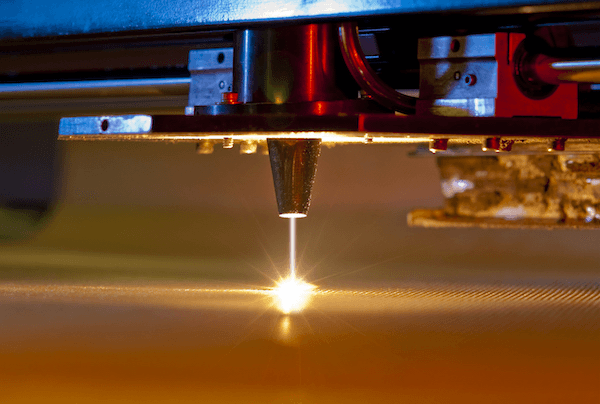
Corte por láser destaca como uno de los métodos más versátiles. Permite trabajar tanto con metales como con materiales no metálicos: las cortadoras láser de CO₂ son ideales para cortar materiales no metálicos como la tela y el cuero, mientras que las cortadoras láser de fibra destacan en el corte de metales como el acero inoxidable y el aluminio. Este método ofrece cortes de alta precisión con incisiones estrechas y bordes limpios. Sin embargo, el corte por láser ofrece mejores resultados en materiales de hasta 20 mm de grosor. A medida que aumenta el espesor del material, las velocidades de corte se reducen considerablemente. El corte por láser suele ofrecer una precisión de ±0,2 mm, lo que permite obtener cortes de alta calidad que, a menudo, no requieren ningún tratamiento posterior. Dicho esto, el corte por láser puede resultar costoso, sobre todo en el caso de las cortadoras avanzadas de láser de fibra, cuyo precio puede superar el millón de yuanes. Además,, la complejidad de la maquinaria aumenta los costes operativos y requiere un mantenimiento considerable.
Corte por agua: flexibilidad sin deformación térmica
Corte por agua a presión, o corte por chorro de agua, ofrece un proceso de corte en frío que evita la deformación térmica, lo que supone una ventaja significativa a la hora de trabajar con materiales sensibles al calor. A diferencia del corte por láser, lo que da lugar a zonas afectadas por el calor; el corte por agua permite procesar diversos materiales, entre ellos metales, plásticos y cerámicas. Puede gestionar materiales con un grosor que oscila entre 0,8 mm y 100 mm, y en algunos casos, incluso materiales más gruesos. Sin embargo, el corte por agua suele ser más lento, por lo que resulta menos adecuado para la producción a gran escala. Por otro lado, ofrece una precisión de corte de ±0,1 mm, y los sistemas dinámicos pueden alcanzar hasta ±0,02 mm. A pesar de estas ventajas, los costes operativos siguen siendo elevados debido a las necesidades energéticas y a los materiales abrasivos. Los fabricantes también deben tener en cuenta el impacto medioambiental, ya que los abrasivos y el agua deben eliminarse adecuadamente, lo que contribuye a la generación de residuos.
Corte por plasma y por hilo: velocidad y precisión para necesidades específicas
Corte por plasma resulta muy eficaz para cortar metales más gruesos, como el acero inoxidable, el aluminio y el acero al carbono. Se encarga de materiales de hasta 120 mm de espesor, con resultados óptimos en placas de unos 20 mm. Aunque El corte por plasma es más rápido que el corte por agua, aunque suele ofrecer una menor precisión, con una exactitud típica de ±1 mm. Por consiguiente, a menudo deja los bordes más rugosos, lo que requiere un acabado posterior. Dicho esto, las máquinas de corte por plasma son más asequibles que las de corte por láser, lo que las convierte en una opción más económica para muchos fabricantes. Sin embargo, el corte por plasma sigue acarreando costes operativos derivados de consumibles como el gas de plasma.
Corte por hilo, o mecanizado por descarga eléctrica (EDM), ofrece una precisión excepcional, lo que lo convierte en la opción ideal para piezas intrincadas y complejas, como moldes y herramientas. Aunque Aunque la velocidad del corte por hilo es menor en comparación con otros métodos, destaca por su capacidad para fabricar componentes muy detallados. Puede procesar materiales con un grosor de entre 40 mm y 600 mm, y en algunos casos, incluso materiales más gruesos. Sin embargo, la velocidad de corte del corte por hilo es lenta —suele oscilar entre 20 y 60 milímetros cuadrados por minuto—, por lo que no resulta adecuada para la fabricación a gran escala. A pesar de ello, la precisión del corte por hilo no tiene rival, con tolerancias que oscilan entre ±0,01 mm y ±0,02 mm, e incluso tan ajustadas como ±0,004 mm. Aunque Aunque el corte por hilo puede no ser la opción ideal para la producción a gran escala, sigue siendo de gran valor para determinados sectores. Además, los fabricantes deben tener en cuenta el coste de los consumibles, como el alambre de molibdeno y el líquido refrigerante de corte, que aumentan los gastos de explotación. A diferencia de En comparación con el corte por láser o por agua, las máquinas de corte por hilo suelen tener un coste inicial menor.
Elegir el método de corte adecuado
En conclusión, cada método de corte de metales tiene sus propias ventajas, por lo que los fabricantes deben elegir cuidadosamente el método que mejor se adapte a sus necesidades. Por ejemplo, corte por láser Funciona bien en aplicaciones que requieren velocidad y precisión, sobre todo cuando es fundamental lograr un alto nivel de detalle y una ejecución rápida. Por otro lado, corte por agua a presión Es ideal para materiales que no admiten deformación térmica, ya que ofrece una excelente calidad superficial y una alta precisión. Mientras tanto, corte por plasma Destaca por su capacidad para cortar chapas gruesas con rapidez, pero requiere un acabado posterior para mejorar la calidad de los bordes. Por último, corte por hilo Ofrece la máxima precisión para piezas complejas, lo que la convierte en la opción preferida para la fabricación detallada de moldes y herramientas, a pesar de su menor velocidad de corte.
En definitiva, los fabricantes deben elegir el método de corte que maximice la eficiencia, minimice los residuos y se ajuste a sus objetivos de producción específicos. Teniendo en cuenta las ventajas y las limitaciones de cada técnica, los fabricantes pueden garantizar la rentabilidad y unos resultados de alta calidad en sus procesos de producción.


 Spanish
  English
  Russian