

Процессы резки металла играют важнейшую роль в современном производстве, способствуя изготовлению высокоточных компонентов в различных отраслях. С постоянным развитием технологий такие методы, как лазерная резка, резка водой, плазменная резка и резка проволокой, стали незаменимыми. Каждый метод имеет свои преимущества в зависимости от материала, толщины, точности и скорости производства, поэтому производители должны тщательно выбирать подходящий процесс, чтобы оптимизировать эффективность производства и качество продукции.
Лазерная резка: Точность и скорость
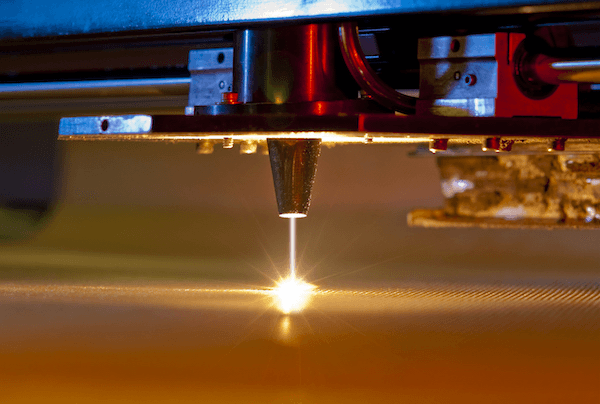
Лазерная резка является одним из самых универсальных методов. Он обрабатывает как металлы, так и неметаллы - лазерные резаки CO2 идеально подходят для резки неметаллических материалов, таких как ткань и кожа, а волоконные лазерные резаки отлично справляются с металлами, такими как нержавеющая сталь и алюминий. Этот метод обеспечивает Высокоточные разрезы с узкими надрезами и чистыми краями. Однако, Лазерная резка лучше всего работает с материалами толщиной до 20 мм. При увеличении толщины материала, При этом скорость резки значительно снижается. Лазерная резка обычно обеспечивает точность в пределах ±0,2 мм, позволяя получать высококачественные срезы, которые часто не требуют дополнительной обработки. При этом, Лазерная резка может быть дорогостоящей, особенно для передовых волоконно-лазерных резаков, стоимость которых может превышать один миллион юаней. Дополнительно, Сложность оборудования увеличивает эксплуатационные расходы, требуя значительного технического обслуживания.
Резка водой: Гибкость без термической деформации
Резка воды, Гидроабразивная резка - это процесс холодной резки, исключающий тепловую деформацию, что является значительным преимуществом при работе с термочувствительными материалами. В отличие от лазерной резки, С помощью водяной резки, создающей зоны термического воздействия, можно обрабатывать различные материалы, включая металлы, пластики и керамику. Он может обрабатывать материалы толщиной от 0,8 мм до 100 мм, и в некоторых случаях, Даже толстые материалы. Однако, Водяная резка, как правило, выполняется медленнее, что делает ее менее подходящей для крупносерийного производства. С другой стороны, Он обеспечивает точность резки в пределах ±0,1 мм, а динамические системы могут достигать ±0,02 мм. Несмотря на эти преимущества, При этом эксплуатационные расходы остаются высокими из-за необходимости использования энергии и абразивных материалов. Производители также должны учитывать воздействие на окружающую среду, поскольку абразивные материалы и воду необходимо надлежащим образом утилизировать, что приводит к образованию отходов.
Плазменная и проволочная резка: Скорость и точность для особых нужд
Плазменная резка Высокоэффективна для резки толстых металлов, таких как нержавеющая сталь, алюминий и углеродистая сталь. Он обрабатывает Материалы толщиной до 120 мм, при этом оптимальные результаты достигаются на пластинах толщиной около 20 мм. В то время как Плазменная резка быстрее, чем резка водой, но при этом обычно достигается меньшая точность, как правило, в пределах ±1 мм. Следовательно,, Но при этом часто получаются неровные края, требующие дополнительной обработки. При этом, Станки плазменной резки более доступны по цене, чем лазерные резаки, что делает их более бюджетным вариантом для многих производителей. Однако, При этом плазменная резка по-прежнему связана с эксплуатационными расходами на расходные материалы, такие как плазменный газ.
Резка проволоки, Электроэрозионная обработка (EDM) обеспечивает исключительную точность, что делает ее идеальной для сложных деталей, таких как пресс-формы и инструменты. Хотя Скорость резки проволоки ниже по сравнению с другими методами, но она отлично подходит для изготовления высокодетализированных деталей. Он может обрабатывать материалы толщиной от 40 мм до 600 мм, и в некоторых случаях, Даже толстые материалы. Однако, Скорость резки проволокой невысока - обычно составляет 20-60 квадратных миллиметров в минуту, поэтому она не подходит для крупномасштабного производства. Несмотря на это, Точность резки проволоки не имеет себе равных, допуски варьируются от ±0,01 мм до ±0,02 мм и даже до ±0,004 мм. Хотя Возможно, резка проволоки не является идеальным вариантом для крупносерийного производства, однако она по-прежнему неоценима для определенных отраслей. Кроме того,, При этом производители должны учитывать стоимость расходных материалов, таких как молибденовая проволока и смазочно-охлаждающая жидкость, которые увеличивают эксплуатационные расходы. В отличие от Лазерная или водяная резка, станки для резки проволоки обычно имеют более низкую начальную стоимость.
Выбор правильного метода резки
В заключение следует отметить, что каждый метод резки металла имеет свои преимущества, поэтому производители должны тщательно выбирать тот метод, который лучше всего соответствует их потребностям. Например, лазерная резка хорошо подходит для работ, требующих скорости и точности, особенно когда важны мелкие детали и быстрое выполнение заказа. С другой стороны, резка воды идеально подходит для материалов, не требующих термической деформации, обеспечивая превосходное качество поверхности и высокую точность. Тем временем, плазменная резка Отлично справляется с быстрой резкой толстых листов, но требует вторичной обработки для улучшения качества кромок. Наконец,, резка проволоки обеспечивает высочайшую точность обработки сложных деталей, что делает его предпочтительным выбором для изготовления пресс-форм и инструментов, несмотря на более низкую скорость резания.
В конечном итоге производители должны выбрать тот метод резки, который обеспечивает максимальную эффективность, минимизирует количество отходов и отвечает их конкретным производственным целям. Учитывая сильные и слабые стороны каждой техники, Производители могут обеспечить экономическую эффективность и высокое качество своих производственных процессов.


 Russian
  English
  Spanish